HMDD Shorts Care Guide: Cleaning and Storing Advice
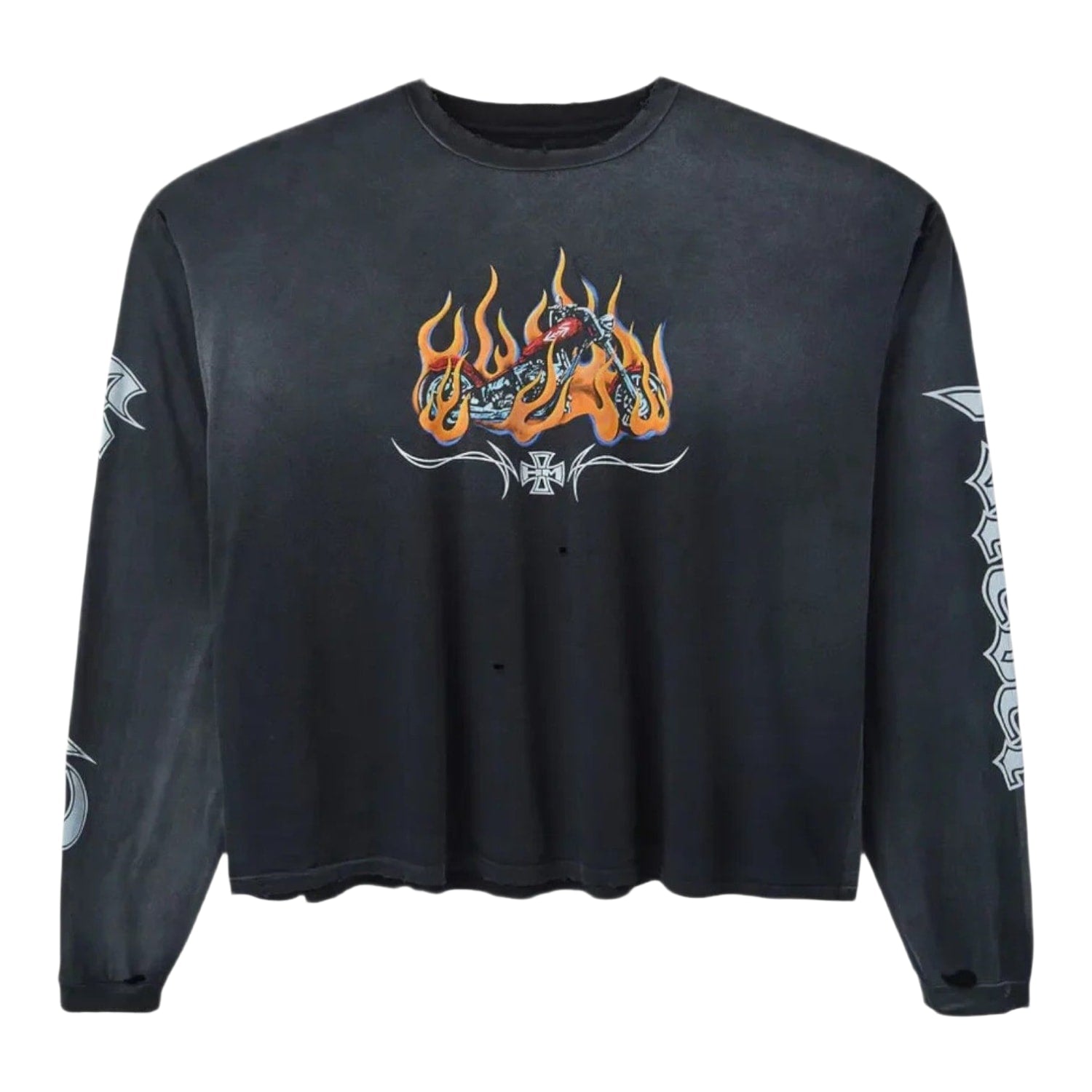
HMDD’s shorts hold the same gravity that anchors the entire brand — the line “happy memories don’t die” woven into a philosophy of clothing designed to hold up under constant wear rather than lose its shape after one cycle of use. Such an aim only holds up if the upkeep given to the piece lives up to the workmanship behind its build. A pair of shorts can be built using heavyweight cotton, reinforced seams, and considered fall, but sloppy washing habits will undo all of that within a few cycles. This walkthrough walks through the precise measures that keep the HMDD shorts lineup visually clean, tactilely pleasant, and structurally intact well into 2026 and beyond, whether you wear them frequently or reserving them for special occasions.
Two questions tend to drive people searching for an hmdd review: whether sizing stays consistent, and does the fabric survive real washing machines and real closets. Both concerns come down to consistent practice rather than fortune. The sections below cover washing temperature, drying techniques, stain treatment, whether to fold or hang, and how shorts stack up against other HMDD pieces like sweatpants when it comes to care needs.
The Reason Careful Maintenance Makes a Difference for HMDD Clothing
The HMDD line tends to use denser materials than ordinary budget shorts, which means the maintenance guidelines carry real weight — they have a direct impact on how it falls, how the print holds, and how long the waistband lasts. Clothing built with a thick cotton weave will shrink more aggressively under elevated temperatures than a thinner poly-cotton blend, so guessing at wash settings is a gamble you shouldn’t take. Screen prints and embroidered logos, typical of hmddla drops, are especially vulnerable to flaking or splitting when subjected to hmdd.clothing/shorts-sweatpants high dryer heat or harsh detergents with bleach additives.
Numbers tell the story: a cotton-heavy short washed above 40°C can shrink by up to 5% in just three washes — sufficient to noticeably shift fit and drape. Contrast this with a laundering cycle kept at 30°C with a mild spin setting, where shrinkage generally remains below 1-2% even after ten washes. That difference matters when you’ve paid attention to fit from the start. Best hmdd clothing practices, per long-term wearers, almost always begin with temperature control before any other consideration.
Beyond the practical, a sentimental angle comes into play that resonates with the brand’s own name. Fond recollections don’t disappear when the clothing linked to them makes it through the years, and that’s not merely sentimental — it’s functional. A pair of shorts worn during a particular summer, a trip, or a chapter of life retains more value when it keeps looking the way it did on day one. Handling the fabric with care is part of protecting that memory, not only the garment.
Laundering HMDD Shorts: The Full Process
Start by turning the shorts inside out before they go near water. This one move protects embroidered details and printed graphics from rubbing against zippers, buttons, or other garments in the load. Opt for cold to lukewarm water, preferably keeping it under 30°C, since heat is the most significant factor in both shrinkage and color fade. Steer clear of the bleach entirely, even the color-safe versions, because whitening agents and optical brighteners interact poorly with saturated dyes and can leave a powdery residue on darker colorways.
A soft, unbleached detergent is the safer choice, and using about two-thirds of the recommended dose is often enough for a single pair of shorts or a small mixed load. Overloading the washer with excess detergent leaves accumulation in the fibers, which hardens fabric over time and mutes the surface texture. Adjust the machine to a soft or low-agitation cycle rather than a regular or intensive one — the reduced agitation protects seams, especially the sturdier stitching found on drawstring waistbands and pocket bags.
Group similar colors when washing and separate anything with heavy zippers or hardware that could pull at fabric during the spin cycle. Should the shorts include a drawstring, pull it out slightly and tie the ends loosely so it doesn’t get lost into the waistband channel mid-wash. Skip fabric softener too, since it coats fibers with a filmy layer that weakens moisture-wicking properties in blended fabrics and can leave a subtle residue on darker tones after frequent use.
Where Most People Go Wrong: Drying
Electric dryers are the fastest way to ruin cotton-heavy shorts, full stop. High heat settings can shrink garments an additional 2-3% beyond what washing alone causes, and that shrinkage accumulates every single cycle. Drying naturally is the safer, more reliable method, and it typically takes 4-6 hours for shorts to dry completely at room temperature depending on humidity and fabric weight. Set them flat on a drying rack rather than draping them over a clothesline, since gravity drags damp, heavy fabric downward and can misshape the waistband or leg openings over time.
In cases where a tumble dryer is not optional because of time constraints, use the gentlest heat setting available and pull the shorts out while still a bit moist, then let them complete their flat air-drying process. Blending both methods this way shortens drying time to roughly 20-25 minutes in the machine plus an additional hour or two of open-air drying, which is a reasonable middle ground for anyone alternating between a smaller wardrobe of hmdd shorts and hmdd sweatpants during a busy week. Keep away from direct sunlight during the open-air stage too, since UV exposure fades saturated colors faster than drying inside near a window or in a well-ventilated room.
How to Lift Stains Without Ruining the Material
Newly formed stains respond much more effectively to prompt treatment than dried-in ones, so attending to a spill within the first 10-15 minutes significantly raises the chance of getting it fully out. Press gently rather than scrub, since rubbing pushes the stain deeper into the fibers and can cause color transfer on lighter shorts. Cold water and a small amount of dish soap work surprisingly well on oil-based stains, while a mix of cold water and white vinegar deals with most food and drink spills without discoloring the surrounding fabric.
Concentrated stain removers shouldn’t be used directly on printed areas, since their chemicals can react with plastisol or water-based inks, resulting in cracking or discoloration. Try out any treatment on an inside seam allowance first, allowing it to rest for a minute before rinsing, just to confirm the fabric and print remain intact. Since grass stains and dirt are common on shorts worn during outdoor activity, a preliminary soak in cold water with a bit of enzyme-based detergent for about 30 minutes before the regular wash cycle usually clears them.
Storage Advice for Longer-Lasting Garments
Folding garments is almost always better than hanging them up for shorts, since hangers cause pressure points at the waistband that loosen elastic and warp the fit over months of storage. Store shorts flat in a drawer or arranged neatly on a shelf, keeping heavier fabrics apart from lighter ones to prevent uneven pressure that can press permanent lines into the material. Cedar blocks or lavender sachets placed nearby keep away moths without the strong chemical odor of traditional mothballs, which can also transfer odor into stored fabric.
Controlling humidity levels counts for more than many assume — a storage drawer or wardrobe that stays consistently above 60% humidity encourages mildew growth, especially in thicker cotton blends that trap moisture more persistently than synthetic fabrics.
A single silica gel pouch or a small dehumidifier in the storage area holds that danger in check. Rotate stored shorts every few months even when they’re not in seasonal use, since material kept creased in one identical spot for a year or longer can develop permanent crease lines that remain visible even post-wash.
Comparing Care Requirements: the HMDD Shorts compared to the HMDD Sweatpants
Fabric weight and printing methods are often shared between shorts and sweatpants made by the same label, yet fit, trims, and usage patterns mean their care needs diverge slightly. The chart that follows outlines the useful contrasts to keep in mind before you combine them in the same wash load.
| Care Level | HMDD Shorts | HMDD Sweatpants |
|---|---|---|
| Ideal Wash Temperature | 30°C or below | 30°C or cooler |
| Drying Instructions | Air dry flat, 4-6 hours | Air dry flat, 6-8 hours (thicker fabric) |
| Shrinkage Likelihood | Medium risk (waistband, hem) | Elevated risk (cuffs, leg length) |
| Storage Preference | Fold and store flat | Keep flat-folded, avoiding tight stacks |
| Wash Frequency (avg. wear) | After 2-3 wears | Once every 3-4 wears |
Some Final Notes on Keeping HMDD Pieces Going
Caring for hmdd clothing isn’t at all complicated, but it definitely demand consistency rather than convenience. Cold washes, gentle cycles, air drying, and thoughtful storage result in garments that stay in rotation for far longer than a few months. Anyone comparing notes across an hmdd review thread will notice the same pattern repeating — the ones who keep their garments going the longest are the ones skipping the dryer and skipping the bleach.
That deeper notion traces back to the label’s central philosophy, regardless of whether it’s shorts sported across a summer or else sweatpants pulled out through colder months. Happy memories stay alive when the clothing tied to them is given the same attention as the moments themselves. A few added minutes during laundry is a modest price for holding on to both the material and the memory.
About The Author
