Be alive. Be strong. Be happy. Just be.
No matter how established your
personal mindfulness practice is,
sometimes you can use a little extra inspiration.
Restore, Reset, Reconnect
The best way to capture moments is to pay attention. This is how we cultivate mindfulness.
Mindfulness Helps In
- Being Non Judemental
- Living In Present Moment
- Focusing on the Here and Now
- Increasing Awareness
- Can Promote Both Positive Physical and Mental Health.
What my clients say
How mindfulness has changed lives? Hear from our newest members.
Quote Of The Week
Just as the great ocean has one taste, the taste of salt, so also this teaching and discipline has one taste, the taste of liberation.
Gautam Buddha
FAQ
Most frequent questions and answers
Mindfulness is the innate capacity of your mind to be aware of this moment, just as it is. While that sounds simple, most of the time our mind is only partially aware of the moment we are living. We are distracted and/or busy worrying about the future or ruminating about the past.
Mindfulness has been proven to:
- Reduce stress and anxiety
- Reduce depression
- Increase your feeling of well-being
- Increase self-acceptance
- Improve sleeping patterns and the immune system.
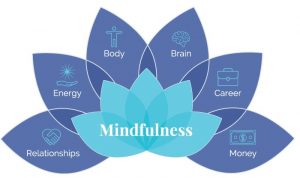
Mindfulness works on a number of levels.
From a physical point of view, formal mindfulness practice causes the relaxation response. The relaxation response means your breathing slows, your blood pressure drops, you relax and feel calmer.
From a brain science point of view, regular mindfulness reduces the reactivity of the Amygdala, the fight or flight part of your brain. This means you become less reactive and less stressed out about things, in particular worries, and thoughts that previously may have caused you stress, are not so problematical.
From a psychological point of view, mindfulness allows you to start to feel in to and experience a very natural and real sense of being totally OK. This feeling of OKness creates a high degree of self-acceptance and less striving to try and trying to perfect or fix yourself or your life (which most people find to be a highly stressful, not to mention futile activity)
Yes, definitely! Mindfulness isn’t just about sitting still. Mindfulness can be practiced anytime, anywhere, in any activity. You might wish to try informal mindfulness while you are walking to school, playing sports, or talking to your best friend. See for yourself if mindfulness helps you to be more present, handle stress, and enjoy life more!